Health Sector Gets 15% Budget Boost — K3.2 Billion Allocated


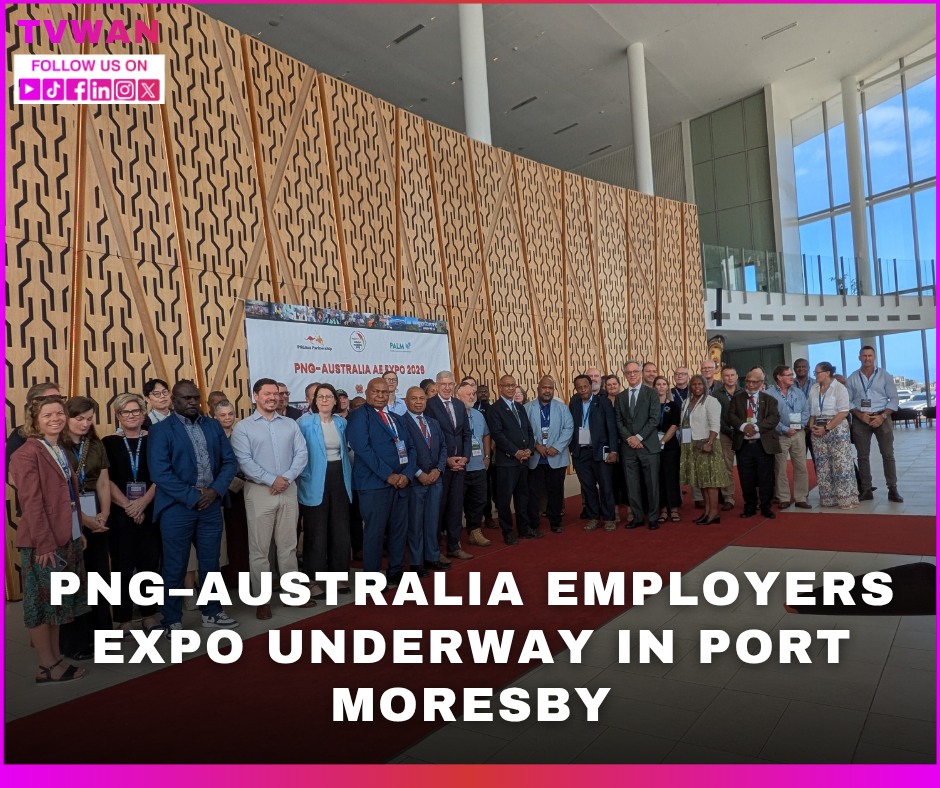
Hundreds of Papua New Guineans seeking overseas employment gathered at APEC Haus in Port Moresby as the second PNG-Australia Approved Employers Expo officially opened. The two-day event brought together dozens of approved Australian employers with thousands of potential workers. The expo's opening ceremony was attended by senior officials from both the Papua New Guinea Department of Labour and the Australian High Commission. Australian High Commissioner Isla Macphail described the scheme as "one of the most tangible expressions of our two countries' partnership." Among the sectors most actively represented by Australian employers were seasonal horticulture, aged care, hospitality, and civil construction. Several employers noted that PALM workers from PNG had proven to be among their most reliable and motivated staff. Papua New Guinea has been expanding its pre-departure preparation infrastructure, with new orientation centers in Port Moresby, Lae, and Mount Hagen offering language training, financial literacy, and workplace rights information. The expo concluded with a panel discussion on expanding PALM to additional sectors, with emerging opportunities in healthcare support and logistics identified as potential growth areas.

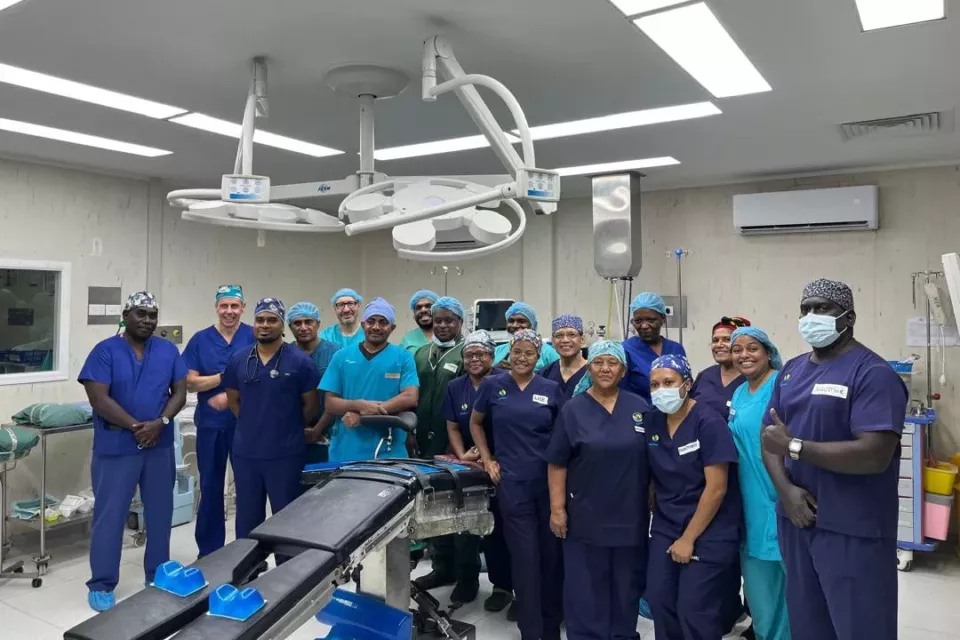
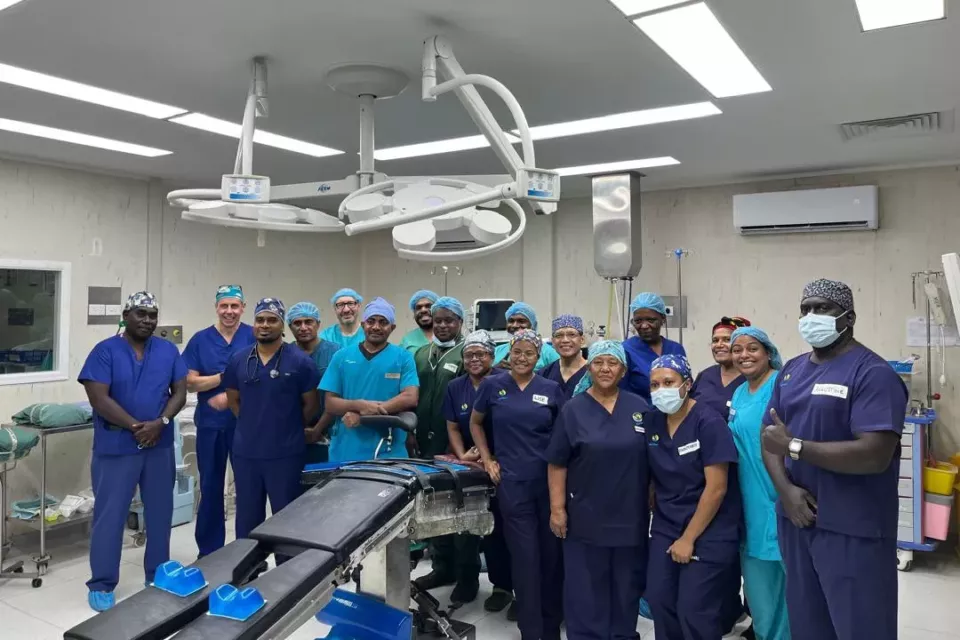
Papua New Guinea's health sector has received its largest ever single-year budget allocation, with the 2026 National Budget committing K3.2 billion — a 15% increase over the 2025 allocation of K2.8 billion. Treasurer Ian Ling-Stuckey announced the allocation as part of a K30.9 billion national budget. The health budget increase reflects Prime Minister James Marape's stated commitment to making meaningful improvements in healthcare access and quality for ordinary Papua New Guineans. Medical supplies funding has grown from K240 million to K267 million. Among the specific priorities funded are the expansion of maternal and child health services in rural provinces, the procurement of new diagnostic equipment for regional hospitals, and investment in the cold chain infrastructure needed to maintain the immunization programme. The budget also includes provision for the ongoing upgrade and rehabilitation of health facilities, with several district hospitals in remote provinces receiving funding for structural repairs, generator replacements, and water supply upgrades. Health advocates welcomed the increase but called for equally strong attention to implementation and accountability. The National Health Authority committed to publishing quarterly expenditure reports.
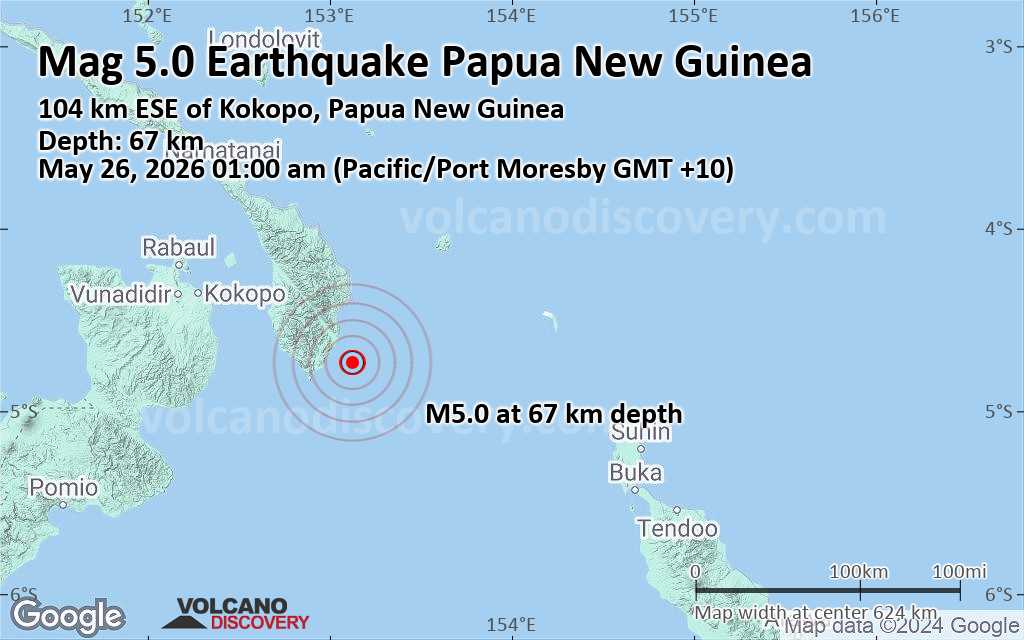
A magnitude 5.0 earthquake struck the South Pacific Ocean approximately 91 kilometers southwest of Ambitle Island in Papua New Guinea's New Ireland Province in the early hours of Tuesday morning. No immediate reports of significant damage or injuries came from nearby communities. Papua New Guinea sits directly on the Pacific Ring of Fire, one of the most seismically active regions on Earth. The island of New Ireland and surrounding waters are particularly prone to seismic activity due to the complex interaction of the Pacific, Australian, and South Bismarck tectonic plates. The magnitude 5.0 event follows a series of moderate earthquakes — including magnitude 4.8 and 4.9 events — recorded in the broader PNG region over the past two weeks. Scientists are maintaining close monitoring given the simultaneous occurrence of the underwater volcanic eruption. PNG's National Disaster Centre confirmed that standard earthquake response protocols were activated, including automated alerts to communities in affected provinces and a rapid assessment of tsunami risk — which was determined to be negligible. International scientific cooperation in monitoring PNG's seismic activity has intensified, with research teams from Australia, Japan, and the United States contributing data and analysis to the joint monitoring effort.