Education Funding to Rise to K4.9 Billion in PNG's 2026 Budget


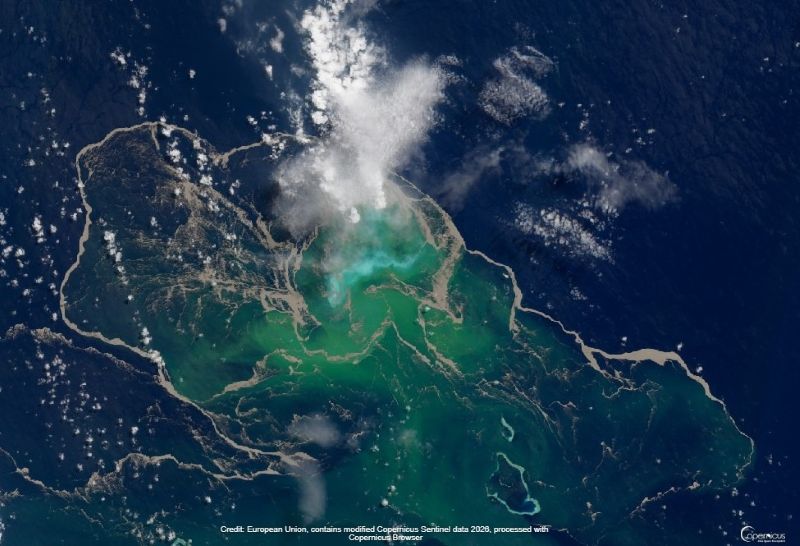
An underwater volcano has been erupting in the Bismarck Sea off the northern coast of Papua New Guinea since May 8, sending dramatic white steam plumes up to 3,000 meters into the atmosphere and creating expansive rafts of floating pumice drifting across the surrounding Pacific waters. Scientists are closely monitoring the event, which could potentially result in the birth of a new volcanic island. The eruption began when seismometers first detected a swarm of small earthquakes beneath the Titan Ridge, a volcanic feature in the southwestern Pacific. Within days, NASA's Aqua and Terra satellites captured striking imagery of the volcanic plumes and tan-colored pumice rafts. Scientists from multiple international institutions noted that the current eruption site is approximately 16 kilometers from a 1972 underwater eruption in the same region, suggesting the Titan Ridge is a zone of sustained geological activity. Papua New Guinea sits on the Pacific Ring of Fire, one of the most seismically and volcanically active regions on Earth. Scientists say they are unable to predict how long the current eruption will last or whether it will ultimately produce a permanent new landmass. The event has drawn significant international attention and is being monitored around the clock by regional geological agencies, with drone flyovers and ship-based observations planned to gather more detailed data.

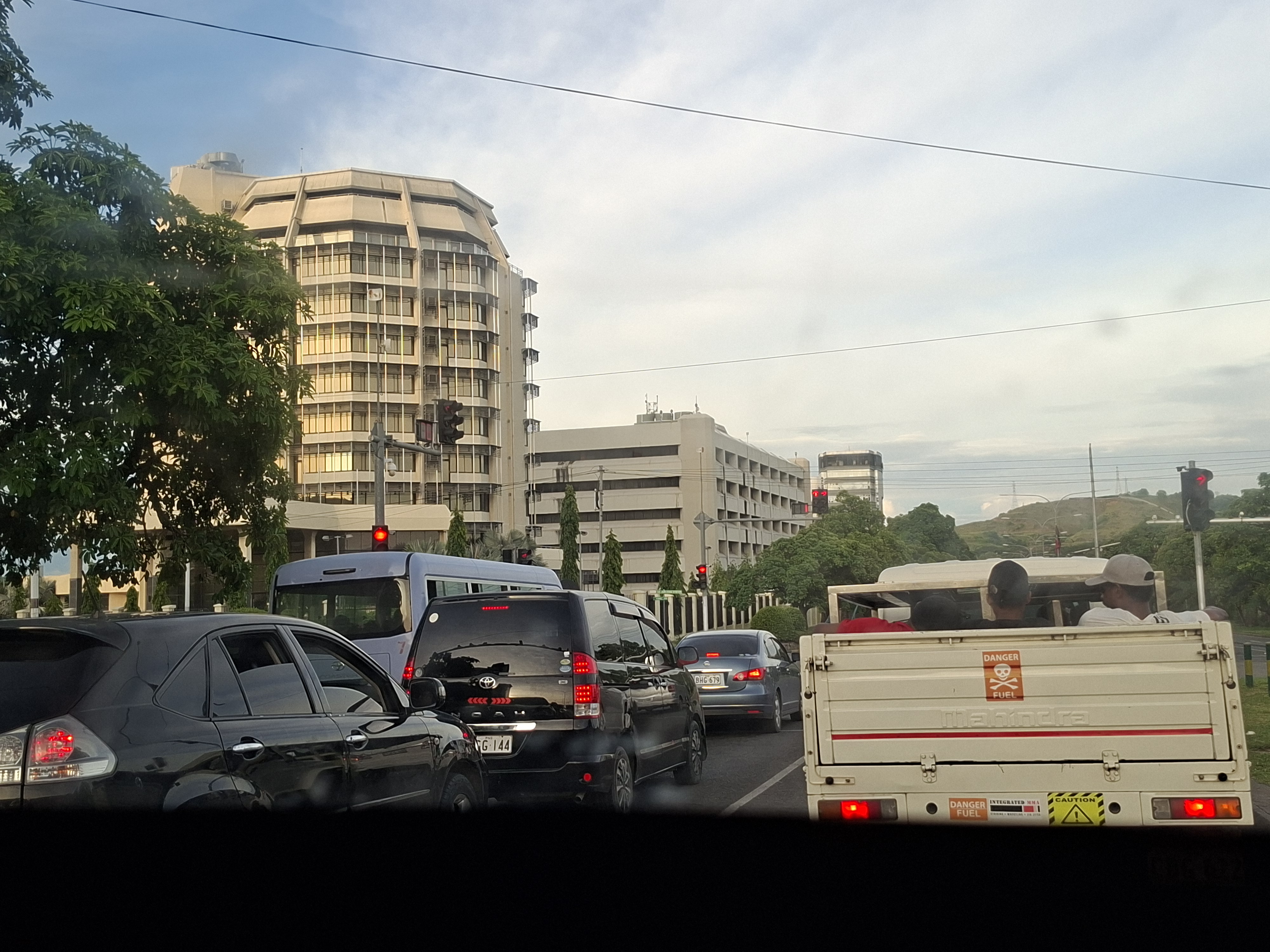
Motorists and transport operators across Papua New Guinea have welcomed a reduction in fuel prices at stations nationwide following a determination by the Independent Consumer and Competition Commission (ICCC). The price reduction applies to petrol, diesel, and kerosene. The ICCC sets fuel prices in Papua New Guinea on a monthly basis using a formula that accounts for international crude oil prices, shipping costs, exchange rate movements, and in-country distribution costs. The May 2026 determination reflects moderating global oil prices and a slight strengthening of the PNG kina. The price reduction is expected to provide relief across a broad range of economic activities. Lower fuel costs benefit public transport operators, commercial trucking companies, fishing fleets, and households relying on generators for power. The ICCC noted that fuel prices in Papua New Guinea remain structurally higher than in many neighboring Pacific Island nations due to the country's challenging logistics โ rugged terrain, limited road networks, and the need to supply hundreds of remote communities. The commission pledged to continue monitoring international energy markets and passing on savings to consumers whenever market conditions permit.

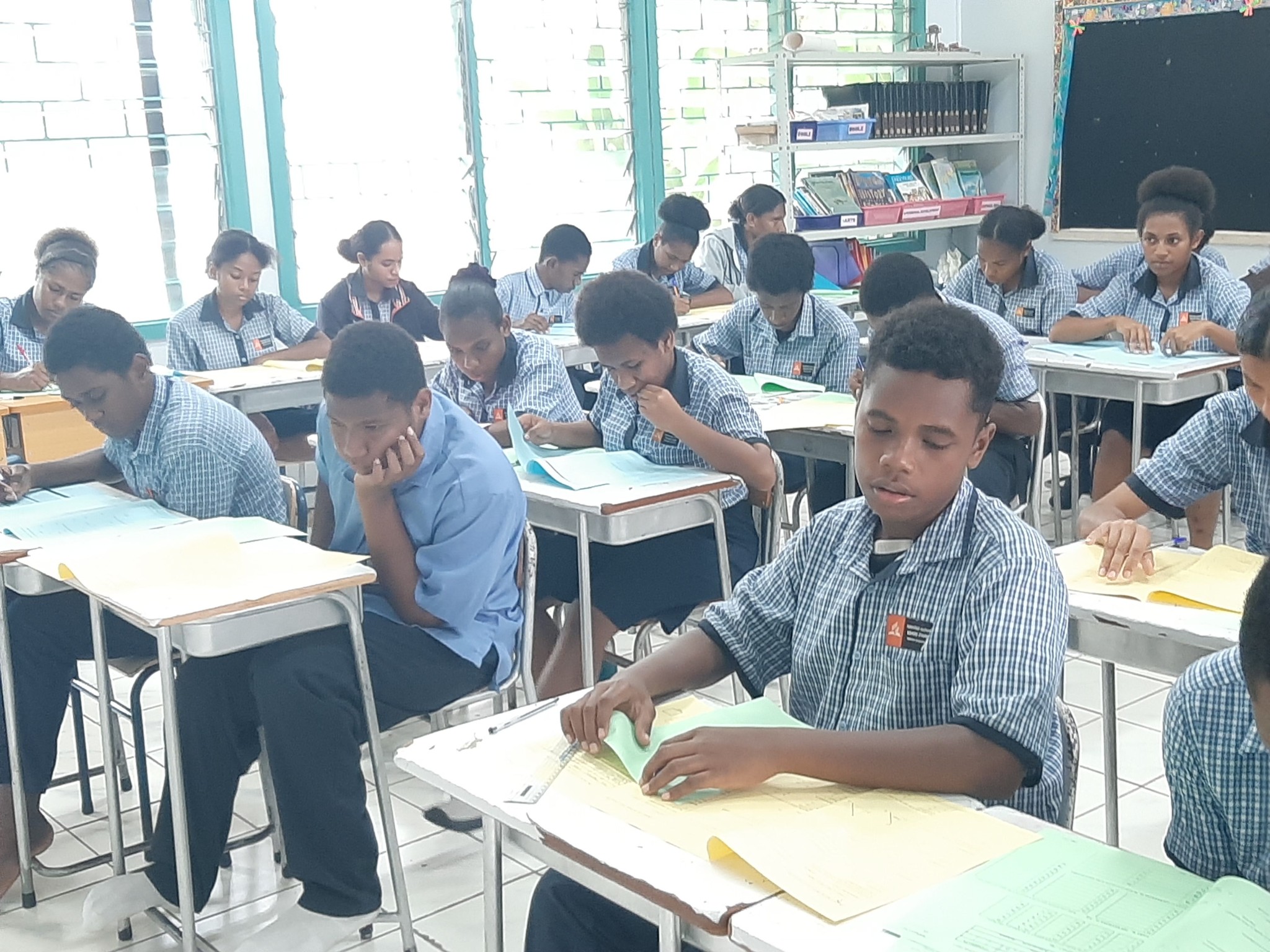
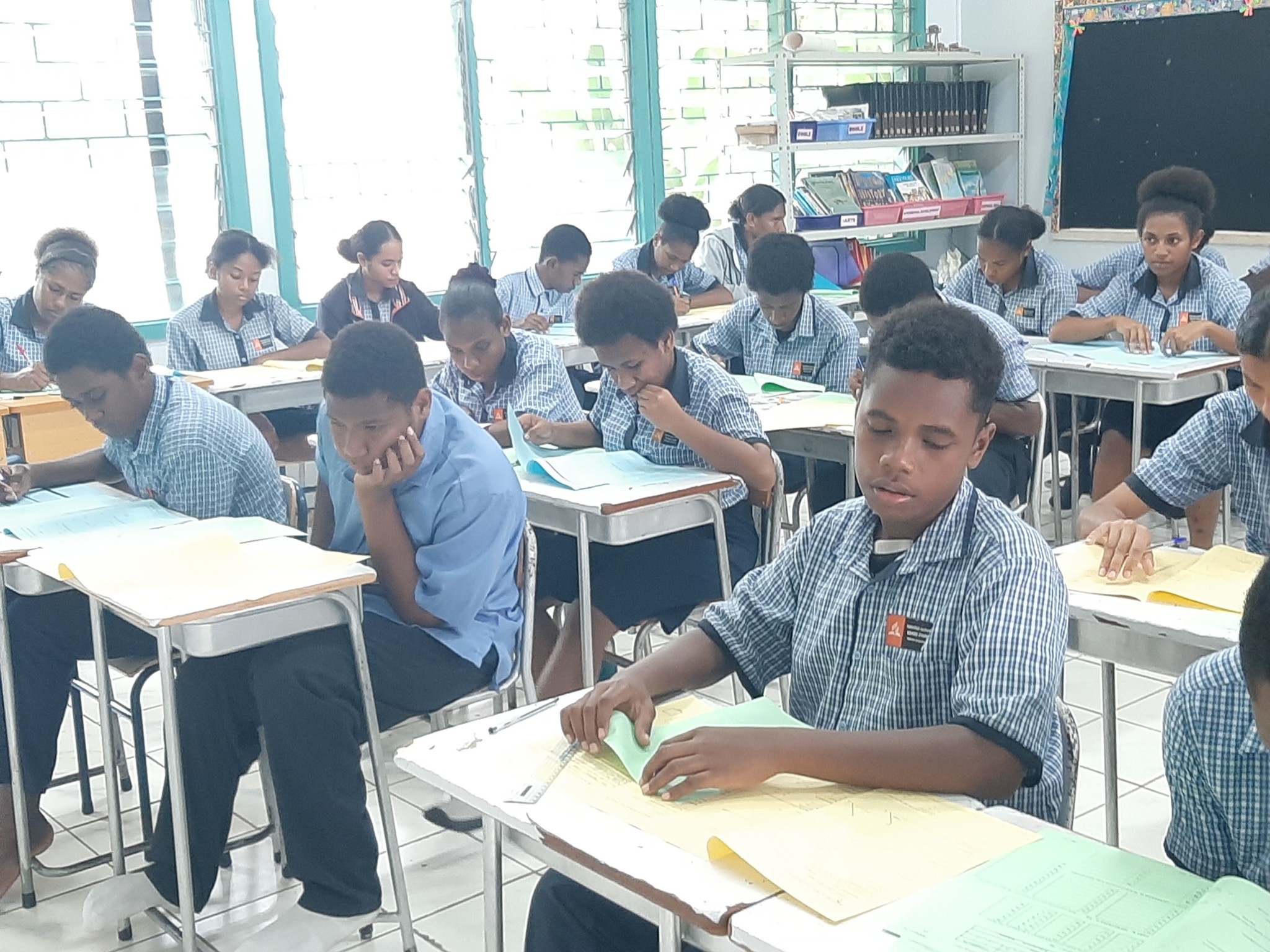
Papua New Guinea's education sector has secured a record K4.9 billion allocation in the 2026 National Budget, making it the single largest sector in government spending. Prime Minister James Marape described this as foundational to PNG's long-term economic development. Tuition-fee-free subsidies โ a signature Marape government policy โ are continued and expanded under the 2026 budget, ensuring that primary school education remains accessible to all Papua New Guinean children regardless of family income. Scholarships and the higher education loan scheme receive enhanced funding, aiming to increase access to university and technical college education. The Bougainville College of Nursing has been formally recognized as a new partner institution under the Australia Awards programme. Technical and vocational education is a particular focus, with the government recognizing that skills mismatches are one of the primary barriers to private sector growth. New investment in TVET centres across all provinces is intended to expand the pipeline of workers with practical, market-relevant skills. Education advocates welcomed the historic budget commitment but called for equally strong attention to implementation quality, teacher recruitment, and improvements to school infrastructure in rural and remote areas.