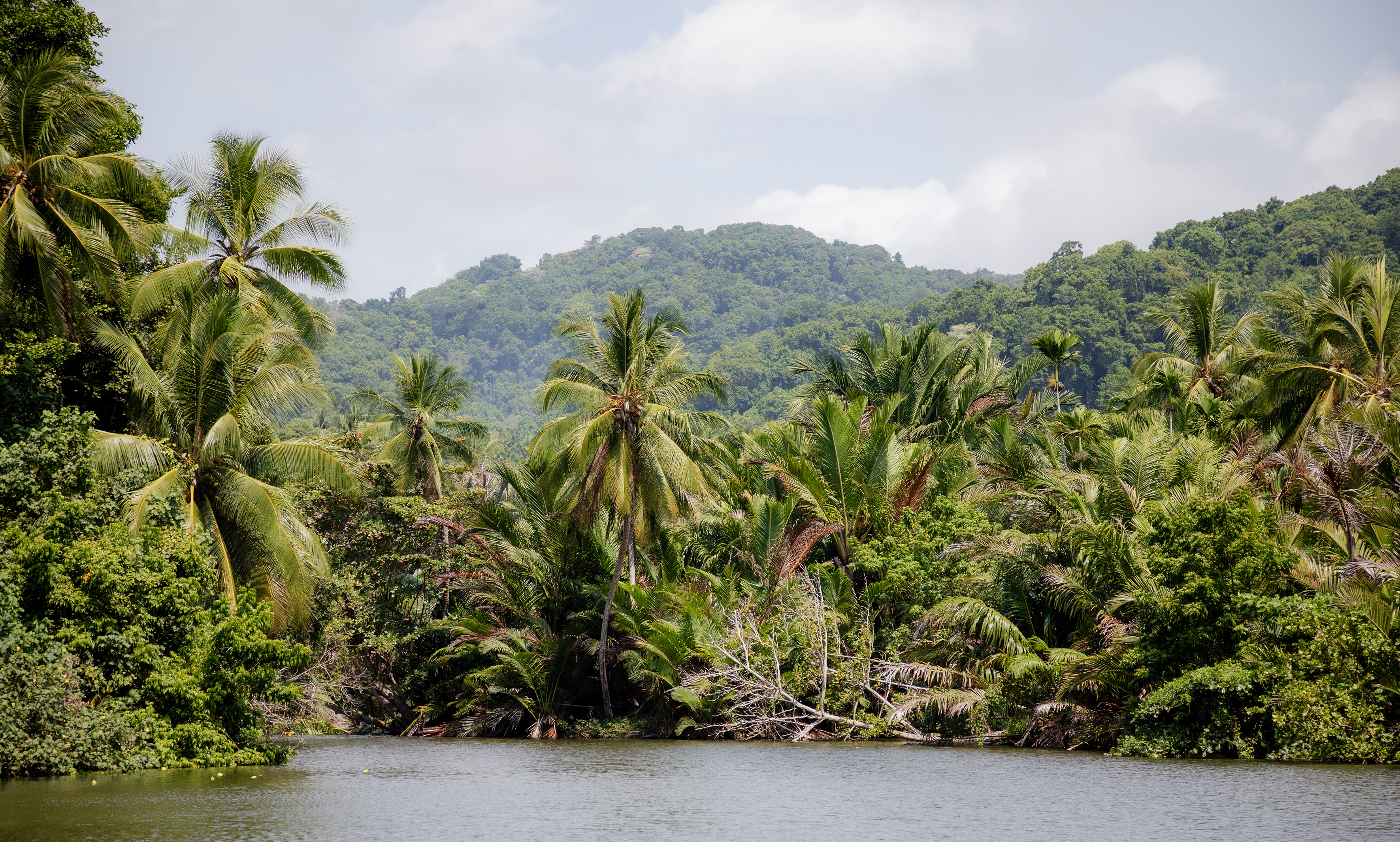

<div class="article-body article-real-content v_text"><p>Russia conducted its second-largest missile and drone attack on Ukraine since the start of its invasion in 2022, according to the Institute for the Study of War (<a class="multivariate" href="https://www.newsweek.com/topic/isw">ISW</a>) whose graph illustrate the response to Kyiv's drone barrage on <a class="multivariate" href="https://www.newsweek.com/topic/russian-military">Russian military</a> airfields.</p><p>The Washington, DC think tank's figures <a class="multivariate" href="https://www.understandingwar.org/backgrounder/russian-offensive-campaign-assessment-june-6-2025" rel="noopener nofollow" target="_blank">showed</a> how Russia's drone assault overnight Thursday on Ukraine had only been surpassed on May 31. There had been anticipation over how Moscow would respond to Kyiv's Operation Spiderweb, which was dubbed by pro-Kremlin bloggers as "Russia's Pearl Harbor."</p><p>The figures did not include Friday's overnight strikes on Kharkiv. Mykhailo Fedorov, Ukraine's deputy prime minister for innovation, education, science and technology, told <em>Newsweek</em> about plans to scale up an AI-controlled air defense turret to down Russian projectiles.</p><p><em>Newsweek</em> has contacted the Russian Defense Ministry for comment.</p><h2>Why It Matters</h2><p>Kyiv braced for a Russian response to Operation Spiderweb, and Russia responded by firing missiles and drones over all of Ukraine Thursday.</p><p>The ISW figures could signal further Russian drone barrages, which, if they drag out peace negotiations, could see the U.S. impose a new set of tough sanctions.</p><h2>What To Know</h2><p>Ukraine's Air Force reported on Friday that, the previous night, Russian forces launched 452 projectiles, including 407 Shahed and mock drones, across the country; Kyiv said these injured at least 49 people and killed three.</p><p>Russia also launched six Iskander-M/KN-23 ballistic missiles and 36 Kh-101 cruise missiles, as well as two Iskander-M cruise missiles and one Kh-31P anti-radar missile.</p><p>While air defenses thwarted most missiles and drones, Russian strikes hit 19 locations across Ukraine, including high-rise buildings, and energy infrastructure in the cities of Kyiv, Lviv, Ternopil, Chernihiv, and Kremenchuk.</p><p>The ISW graph showed nearly a fivefold increase in the size of Russia's drone and missile attack on Thursday compared with the previous day. It also highlighted how the only bigger barrage was on May 31 when 479 projectiles were launched.</p><p>Ukraine is continuing to innovate and expand its air-defense umbrella to counter the growing threat posed by Russian missiles and drones.</p><h2>Ukraine's Sky Sentinel AI-Powered Air Defense</h2><p>Mykhailo Fedorov, Ukraine's deputy prime minister for innovation and military personnel, told <em>Newsweek</em> that Russian Shahed drones have significantly evolved; they are equipped with more-powerful engines and complex communication systems, flying at higher speeds and lower altitudes.</p><p>This makes them harder to jam and intercept with older air-defense methods, which is why Ukraine is try to innovate to neutralize these upgraded threats.</p><p>Fedorov said Ukrainian engineers have developed an AI-controlled air defense turret called Sky Sentinel; this can down Shahed-136 drones, smaller UAVs, and even cruise missiles.</p><p>Once synced with radar and deployed, the AI locks onto targets, calculates their speed and trajectory, and fires. Its precision and automation features means it needs only half as many units to defend cities as compared with the number of mobile groups currently involved, Fedorov added.</p><p>UNITED24, a Ukrainian government-run platform that funded the prototypes of the <a class="multivariate" href="https://www.newsweek.com/russia-black-sea-fleet-magura-v5-naval-drones-crimea-1906280" rel="noopener" target="_blank">Magura naval drones</a> that dealt a blow to Russia's Black Sea Fleet, is launching a $1.5 million fundraiser to produce the first 10 turrets. These can protect large areas at lower cost freeing up high-precision missiles for more critical targets.</p><h2>What People Are Saying</h2><p><strong>Ukrainian President Volodymyr Zelensky said on X:</strong> "Over 400 drones and more than 40 missiles—including ballistic missiles—were used in today's attack."</p><p>He added: "Russia must be held accountable for this."</p><p><strong>U.S. President Donald Trump said that Operation Spiderweb</strong> gave Putin "a reason to go in and bomb the hell out of them."</p><p><strong>Mykhailo Fedorov, Ukraine's deputy prime minister, told <em>Newsweek</em>:</strong> "Russian Shahed drones have significantly evolved. They're now equipped with more powerful engines and complex communication systems, flying at higher speeds and lower altitudes.</p><p>"That's why we're constantly looking for innovative solutions that can effectively neutralize these upgraded threats before they reach cities or critical infrastructure."</p><h2>What Happens Next</h2><p>Thursday's strikes by Russia were followed up with a bombardment of Kharkiv. However, pro-Russian military bloggers say that, so far, Moscow's response was not proportional to the damage caused by Operation Spiderweb, which they compared with Japan's Pearl Harbor attacks of 1941.</p><p>However, Russia's next move in continuing drone strikes could be tempered by bipartisan U.S. legislation that seeks to impose tough sanctions if Moscow drags out peace negotiations.</p> </div>
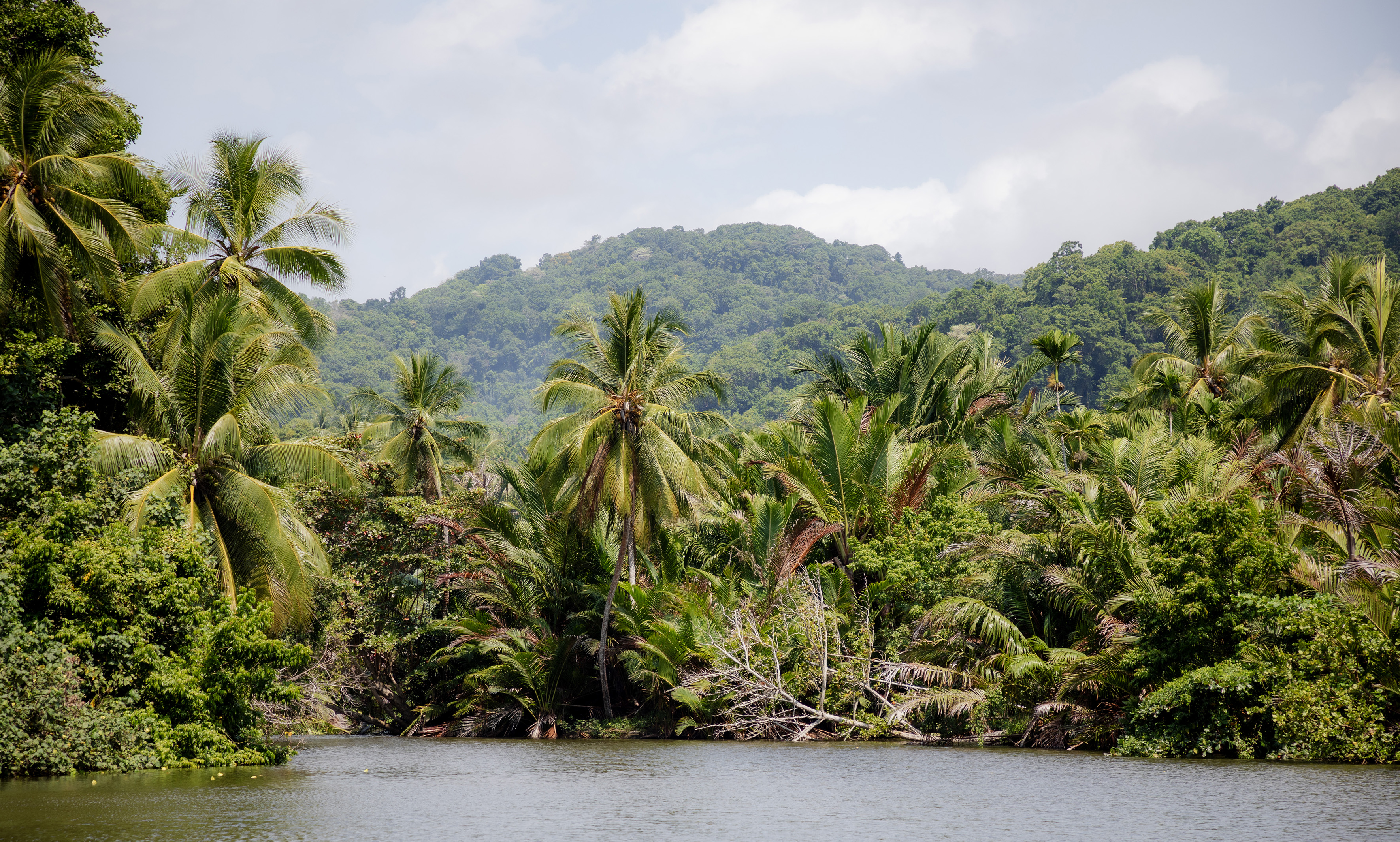
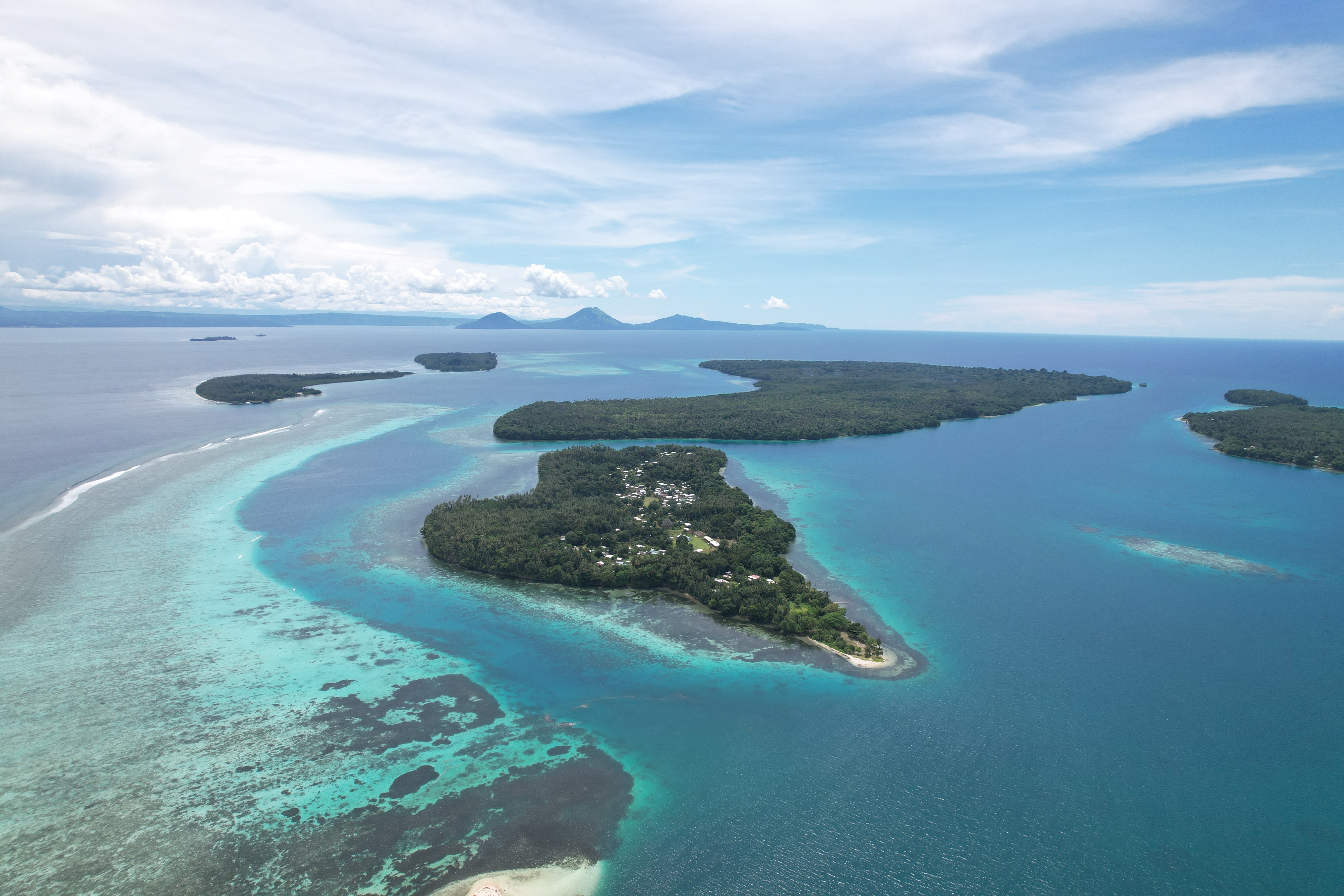
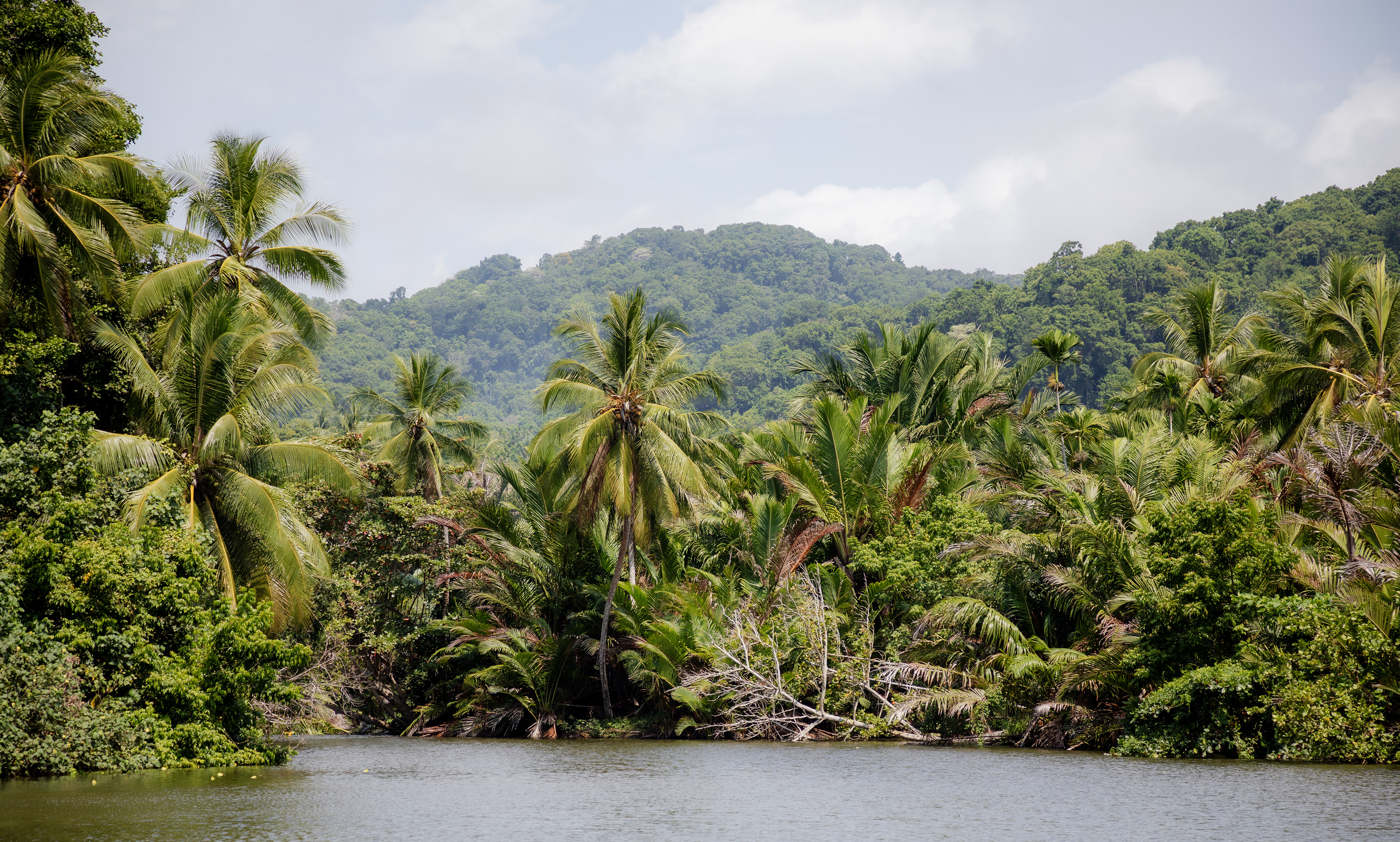
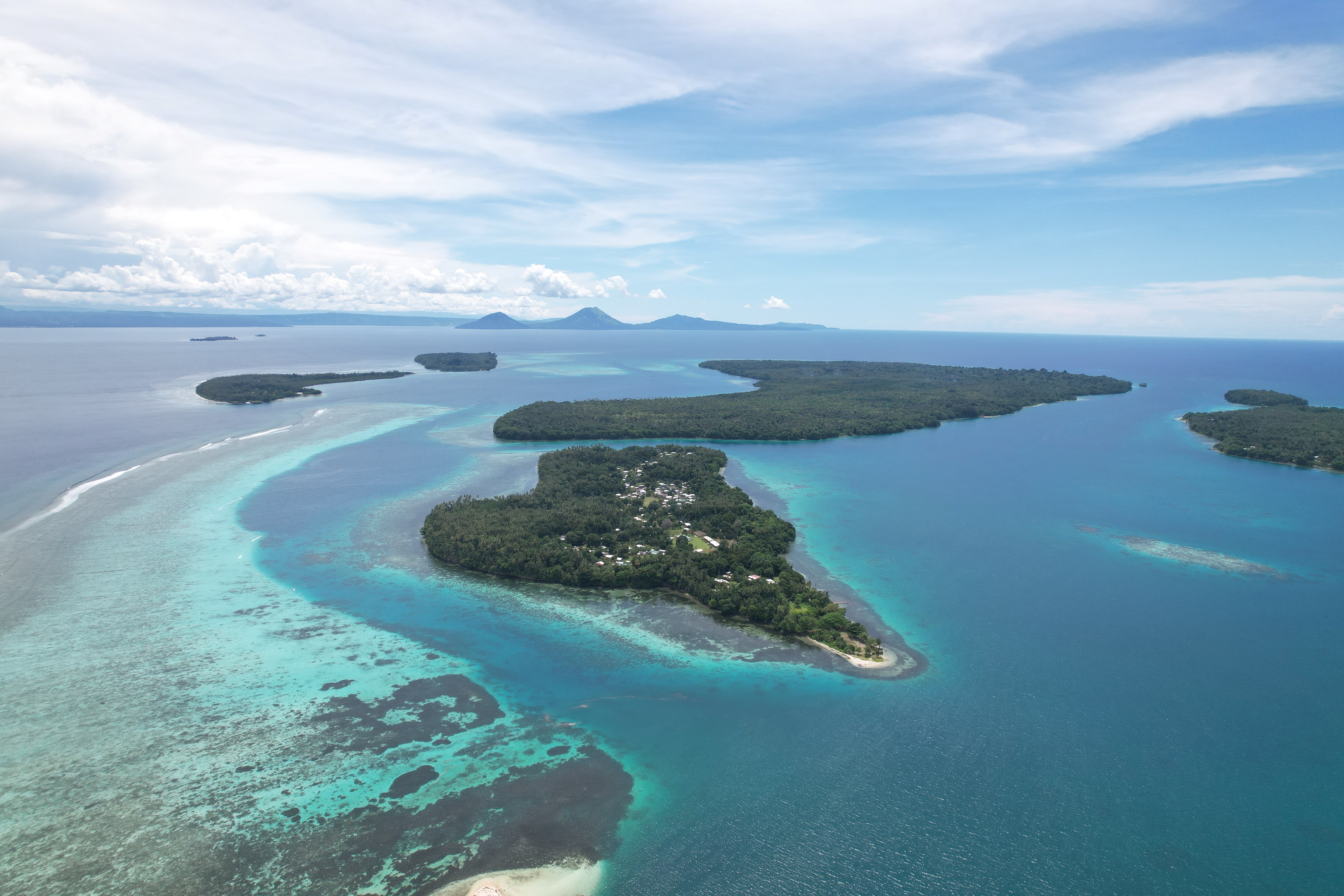
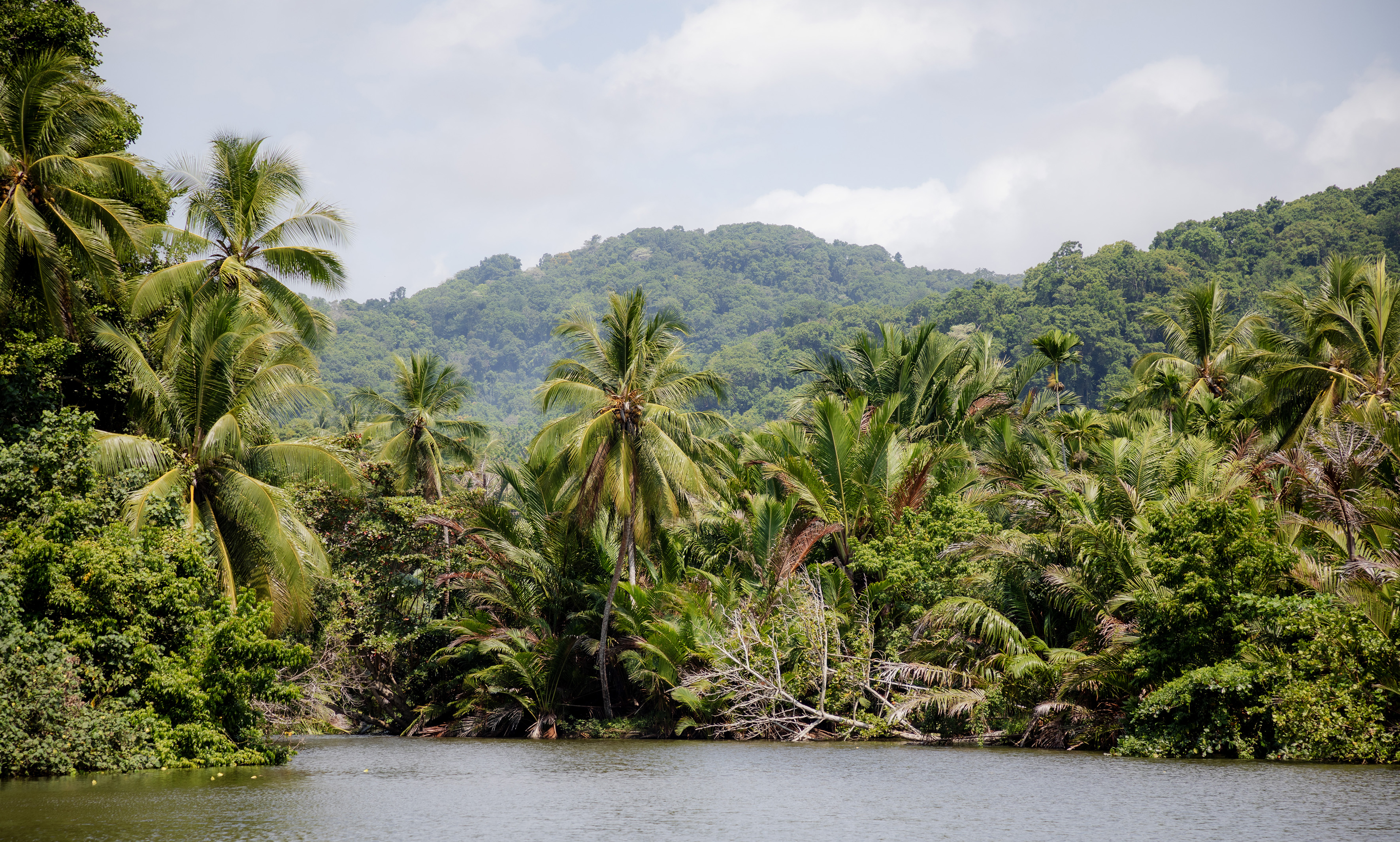
Papua New Guinea is set to conduct a comprehensive national assessment of its biodiversity and ecosystem services for the first time in the country's history, joining a small but growing group of nations pioneering a new approach to economic planning that explicitly accounts for the value of nature. PNG's natural endowment is genuinely extraordinary. The country's tropical rainforest is the third largest in the world, hosting over 5% of the world's total biodiversity. Its marine territory contains coral reef ecosystems of global significance supporting the world's most diverse marine life. The biodiversity assessment will generate the data and analytical framework needed to make better investment and policy decisions — enabling the government to balance resource development with conservation and unlock new sources of conservation finance. UNDP Resident Representative Dirk Wagener emphasized that biodiversity "is the foundation that provides the services we need to survive — drinking water, breathable air, fertile soil, and abundant seas for food." The assessment is expected to take two years to complete and will inform Papua New Guinea's next national development plan, its climate commitments under the Paris Agreement, and its strategy for accessing international biodiversity funding.
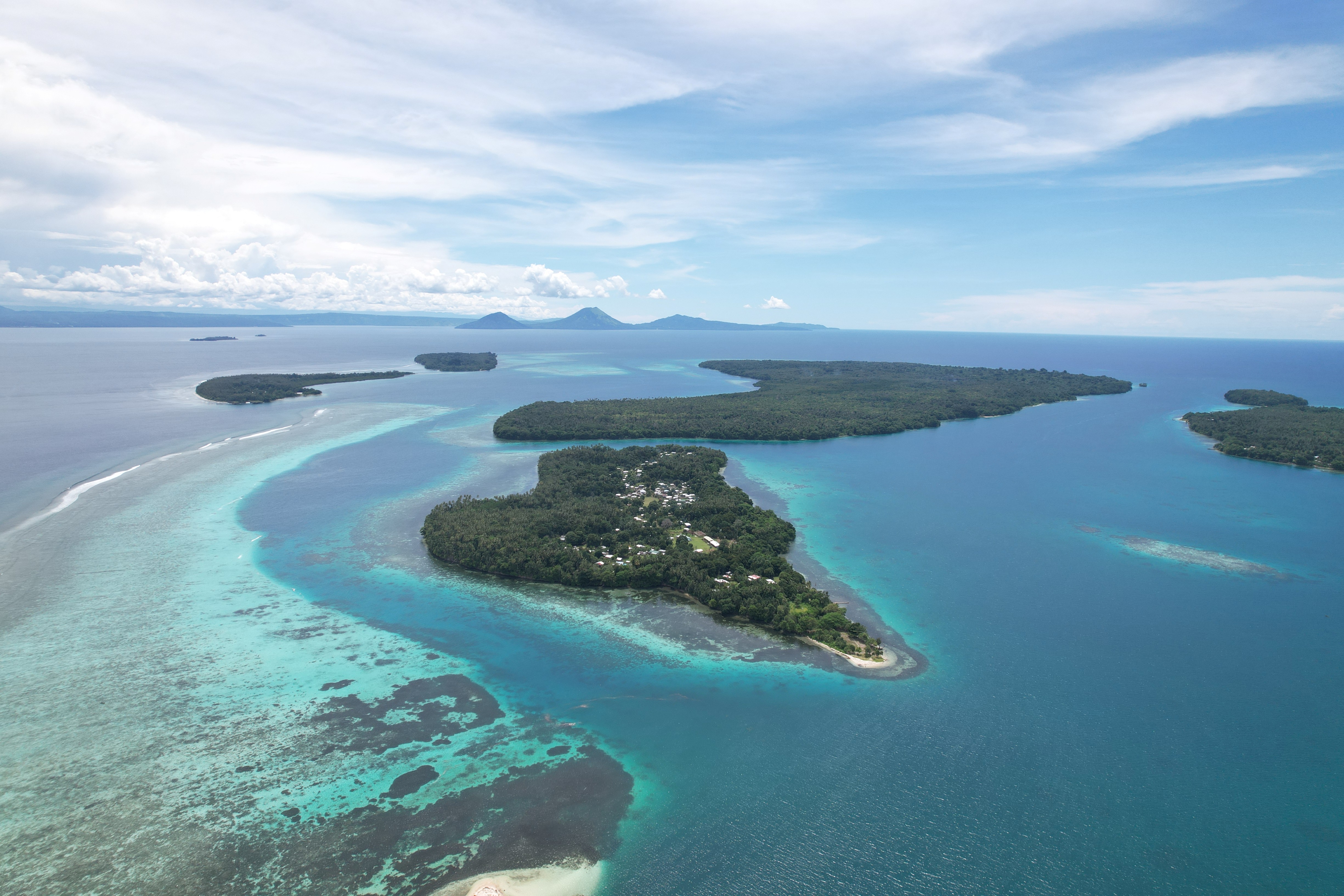
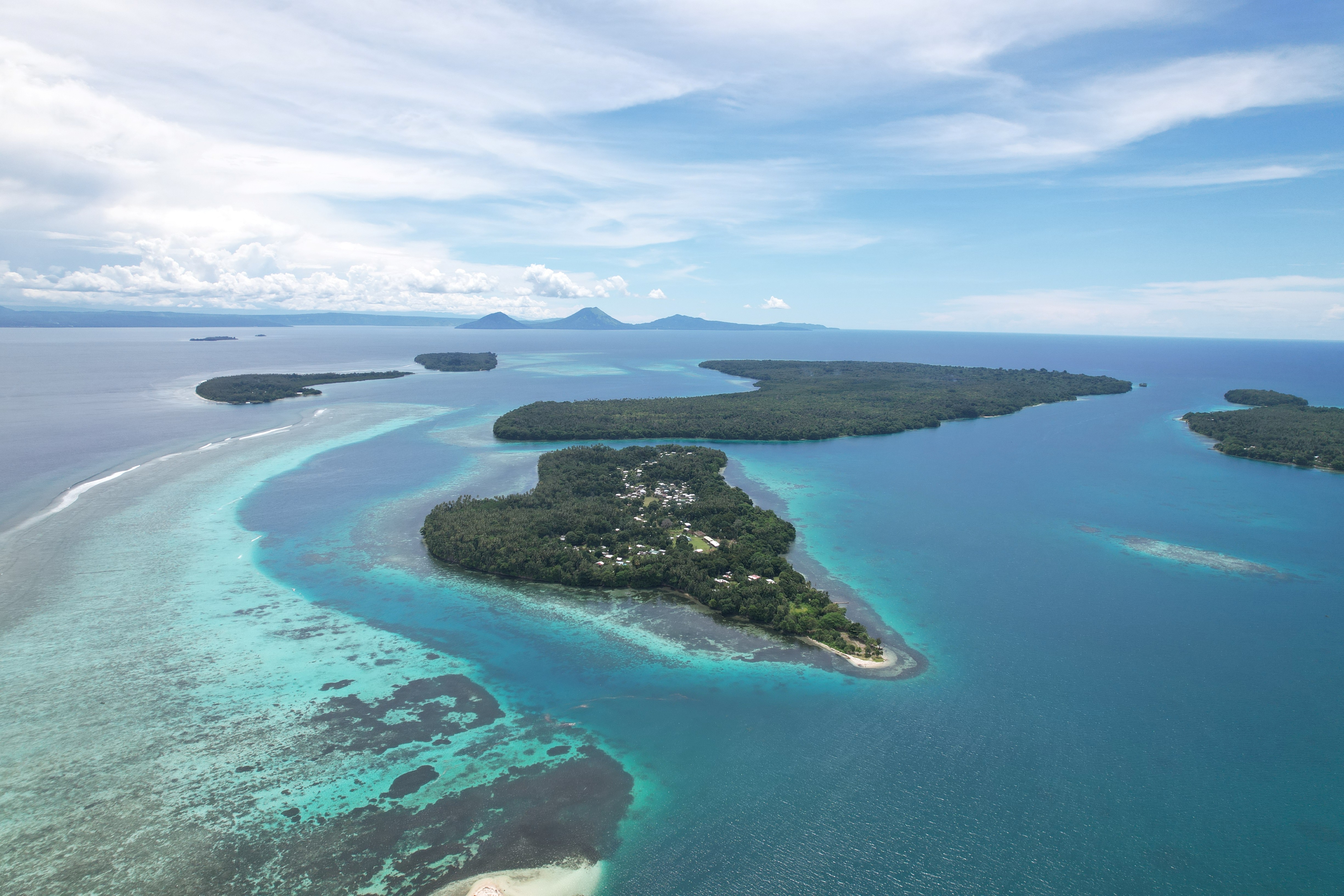
Papua New Guinea's extraordinary coral reef ecosystems are being harnessed as a cornerstone of climate resilience through a groundbreaking UNDP programme. The Investing in Coral Reefs and Blue Economy programme is delivering measurable results across coastal communities that depend on healthy marine ecosystems for food security and livelihoods. Papua New Guinea is home to some of the most biodiverse coral reefs on the planet. The country's exclusive economic zone of 3.1 million square kilometers contains approximately 18% of the global tuna stock, making healthy marine ecosystems a fundamental economic and food security asset. The programme works at the community level, supporting local marine protected areas, sustainable fishing practices, mangrove restoration, and coral reef monitoring. Women's groups have been particularly active, leading mangrove replanting initiatives. UNDP officials note that the Coral Reefs programme offers a replicable model for climate adaptation finance, demonstrating that investing in natural systems can deliver returns far exceeding the costs of conventional grey infrastructure. The programme has attracted co-financing from several international climate funds. As climate change intensifies bleaching events and other threats to coral reef health, the programme's early intervention and community-based management approach is seen as critical to preserving these ecosystems for future generations.
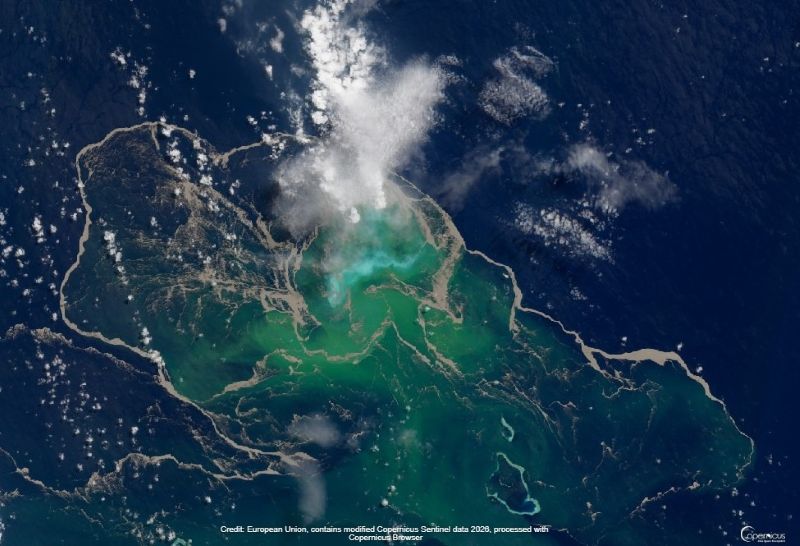
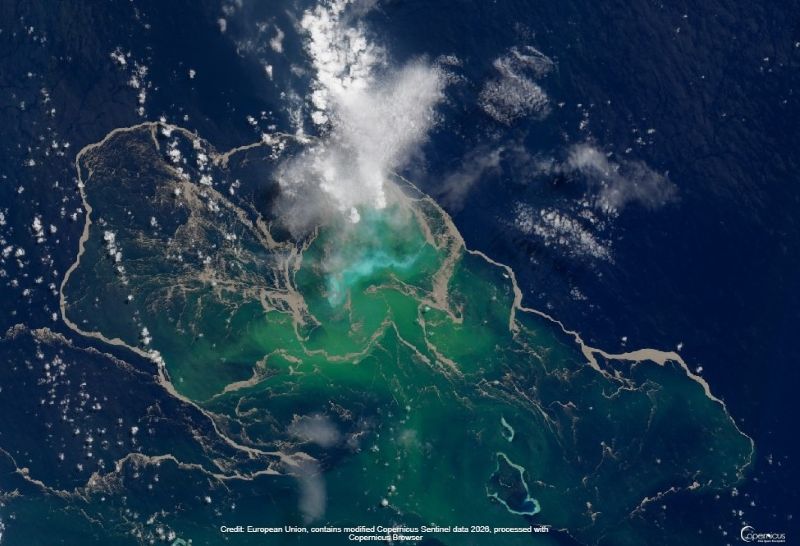
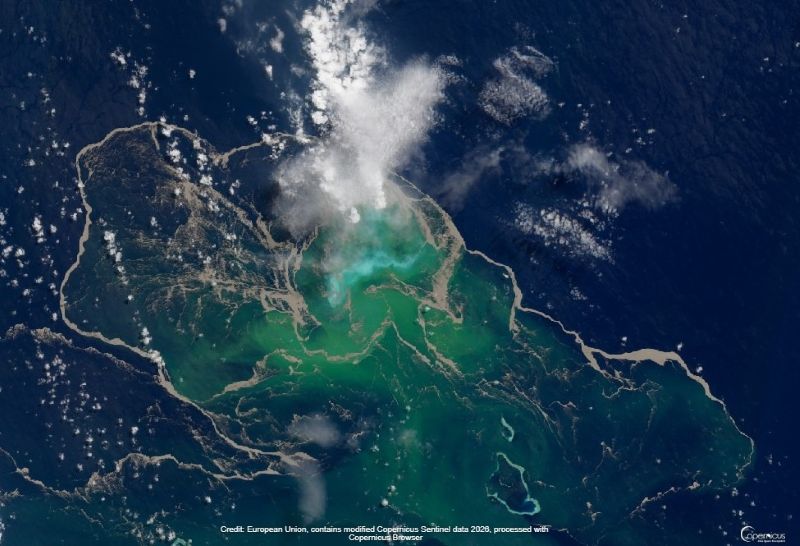
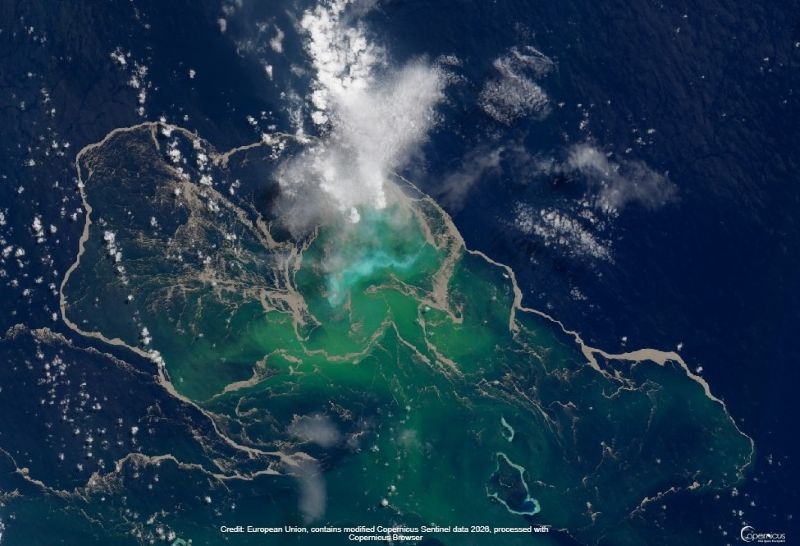
An underwater volcano has been erupting in the Bismarck Sea off the northern coast of Papua New Guinea since May 8, sending dramatic white steam plumes up to 3,000 meters into the atmosphere and creating expansive rafts of floating pumice drifting across the surrounding Pacific waters. Scientists are closely monitoring the event, which could potentially result in the birth of a new volcanic island. The eruption began when seismometers first detected a swarm of small earthquakes beneath the Titan Ridge, a volcanic feature in the southwestern Pacific. Within days, NASA's Aqua and Terra satellites captured striking imagery of the volcanic plumes and tan-colored pumice rafts. Scientists from multiple international institutions noted that the current eruption site is approximately 16 kilometers from a 1972 underwater eruption in the same region, suggesting the Titan Ridge is a zone of sustained geological activity. Papua New Guinea sits on the Pacific Ring of Fire, one of the most seismically and volcanically active regions on Earth. Scientists say they are unable to predict how long the current eruption will last or whether it will ultimately produce a permanent new landmass. The event has drawn significant international attention and is being monitored around the clock by regional geological agencies, with drone flyovers and ship-based observations planned to gather more detailed data.
AD
728×90
TAC
Space for advertising banner