Undersea Volcano Erupting in Bismarck Sea β Scientists Watch for New Island


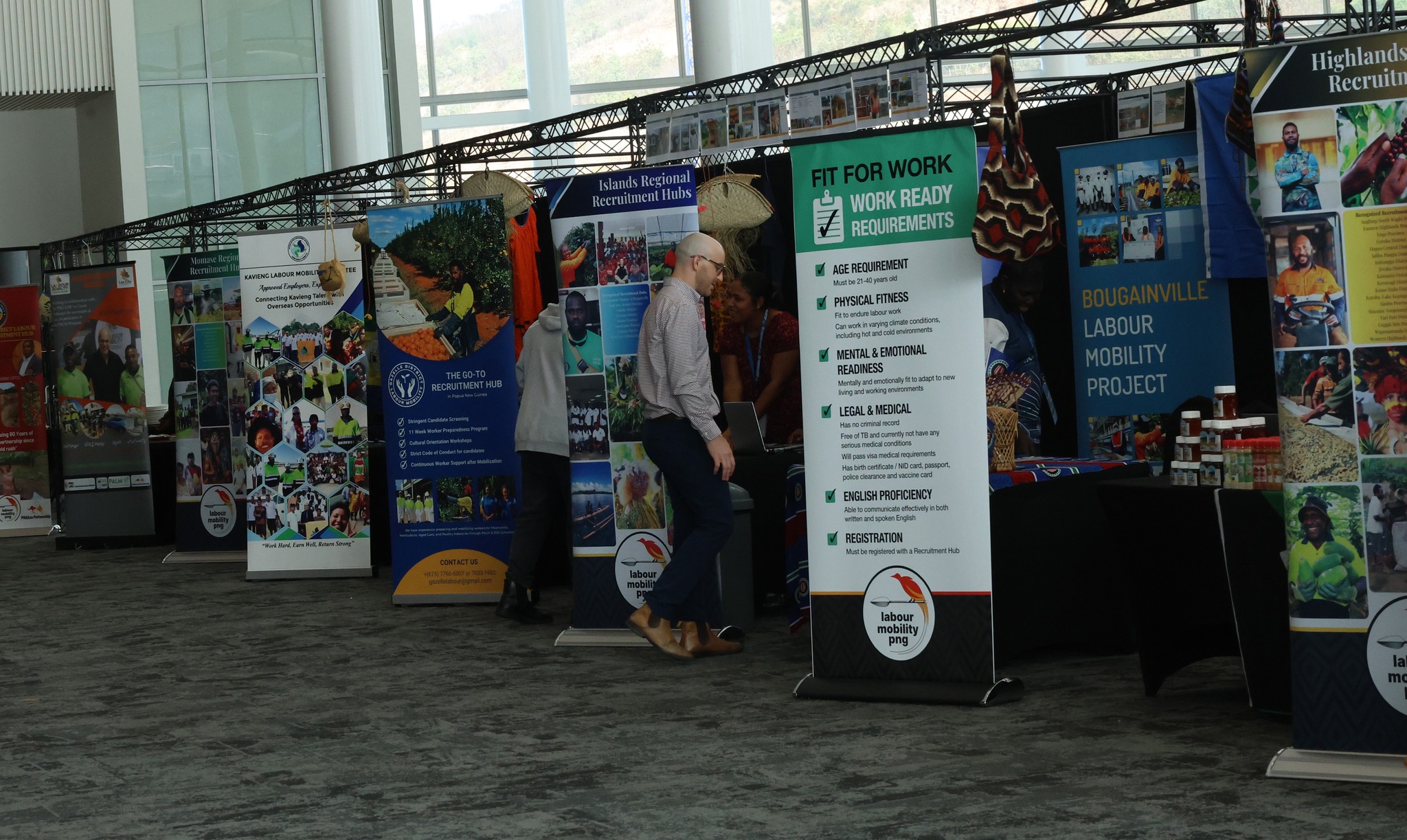
Papua New Guinea has set an ambitious target of sending 30,000 workers to Australia by 2030 under the Pacific Australia Labour Mobility (PALM) scheme. The target was announced as the second PNG-Australia Approved Employers Expo opened at APEC Haus in Port Moresby. The PALM scheme allows workers from participating Pacific Island nations to take up short-term and longer-term jobs in Australia, sending remittances home that provide a significant supplementary income for families and communities across PNG's provinces. Papua New Guinea has reaffirmed its commitment to strengthening technical and vocational education to ensure that workers are well-prepared for Australian employers. This includes investments in English language training, workplace safety certification, and sector-specific skills development. The expo brought together dozens of approved Australian employers from across Queensland, New South Wales, and Western Australia, conducting on-the-spot interviews and pre-selection assessments. Both governments emphasized that the PALM scheme is a partnership of mutual benefit, addressing Australia's structural labor shortages while providing life-changing economic opportunities for Papua New Guineans.

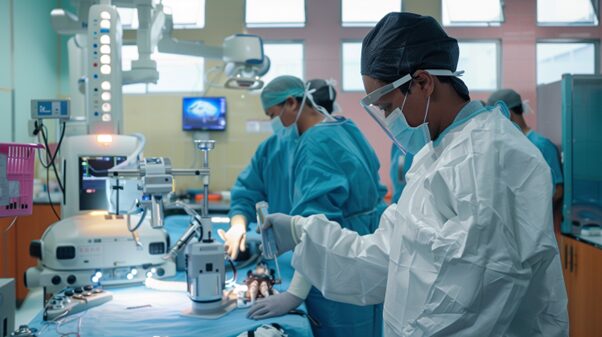
Port Moresby General Hospital has introduced laparoscopic surgery β a minimally invasive surgical technique using small incisions and specialized instruments guided by a tiny camera β marking a landmark advancement in surgical care for Papua New Guinea. The programme is led by a team of PNG surgeons trained in Australia and the Philippines. Laparoscopic surgery offers significant advantages over traditional open surgery, including reduced recovery times, lower risk of post-operative infection, less pain for patients, and shorter hospital stays. The initial programme at PMGH will focus on gallbladder removal, appendectomy, and gynecological procedures β the most common indications for minimally invasive surgery. The introduction of laparoscopic surgery was made possible through equipment donations from international health partners, targeted training supported by Australian and Filipino surgical associations, and investment from the Papua New Guinea Health Department's 2026 budget. Medical staff and patients alike have welcomed the development as a sign that Papua New Guinea's public health system is capable of delivering increasingly sophisticated care.

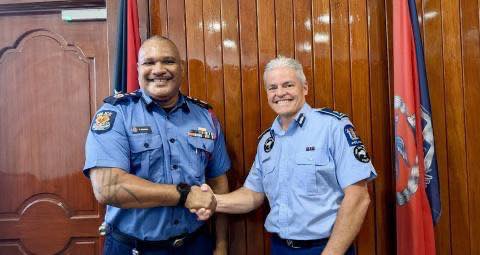
New Zealand Police Commissioner Richard Chambers completed a working visit to Papua New Guinea, meeting with his PNG counterparts at the Royal Papua New Guinea Constabulary (RPNGC) to discuss strengthening bilateral policing cooperation and sharing expertise in community-based policing and youth crime prevention. During his meetings in Port Moresby, Commissioner Chambers met with RPNGC Commissioner David Manning to review current areas of cooperation. Key topics included investigative training support, forensic capacity development, digital policing capabilities, and approaches to family and sexual violence. New Zealand has a long history of policing support in the Pacific, providing training attachments, equipment donations, and technical advisory assistance to police forces across the region. Commissioner Chambers also visited the PNG Police College in Bomana, where he observed training activities and met with student officers. He pledged to explore options for New Zealand-funded training scholarships for PNG officers. Both commissioners confirmed that a formal memorandum of understanding on policing cooperation β currently under development β would be finalized and signed later in 2026.