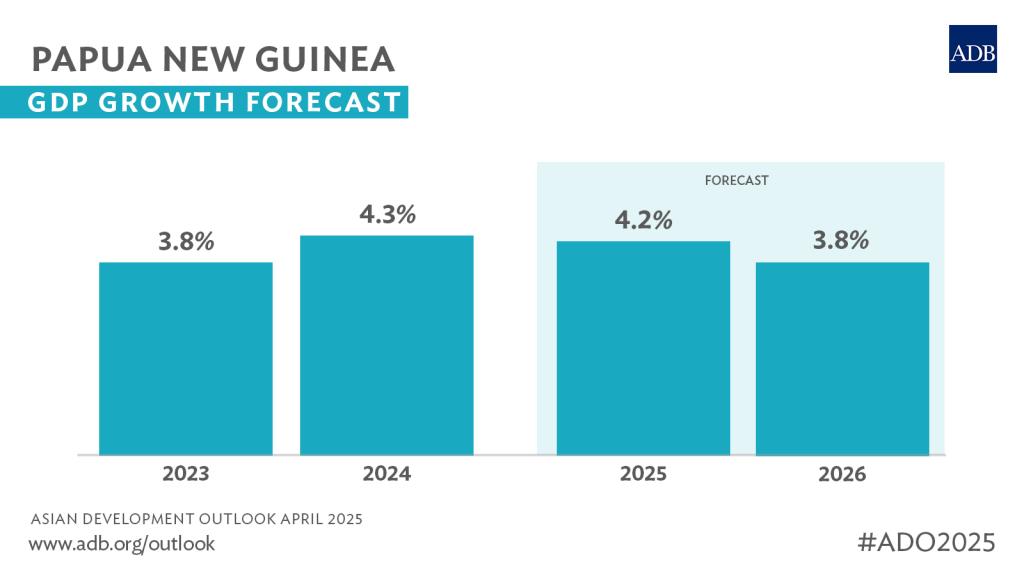
ADB: PNG Economy Forecast to Grow 3.8% in 2026


Port Moresby General Hospital has introduced laparoscopic surgery โ a minimally invasive surgical technique using small incisions and specialized instruments guided by a tiny camera โ marking a landmark advancement in surgical care for Papua New Guinea. The programme is led by a team of PNG surgeons trained in Australia and the Philippines. Laparoscopic surgery offers significant advantages over traditional open surgery, including reduced recovery times, lower risk of post-operative infection, less pain for patients, and shorter hospital stays. The initial programme at PMGH will focus on gallbladder removal, appendectomy, and gynecological procedures โ the most common indications for minimally invasive surgery. The introduction of laparoscopic surgery was made possible through equipment donations from international health partners, targeted training supported by Australian and Filipino surgical associations, and investment from the Papua New Guinea Health Department's 2026 budget. Medical staff and patients alike have welcomed the development as a sign that Papua New Guinea's public health system is capable of delivering increasingly sophisticated care.

The Papua New Guinea Health Department, supported by the World Bank and the Australian Government, has launched an intensive week-long District Primary Health Care Management course aimed at strengthening the capacity of health administrators across the country's 22 provinces. District health managers play a critical role in the PNG health system, overseeing health centers, aid posts, maternal and child health programmes, immunization campaigns, and disease surveillance in often remote and under-resourced areas. The course curriculum covers health financing and budget management, supply chain and medicines management, human resources planning, community engagement, data collection and analysis, and emergency response coordination. Australian government support reflects Canberra's sustained commitment to Papua New Guinea's health development, building on decades of bilateral health cooperation. World Bank financing is channeled through PNG's health sector budget support mechanism. Health Secretary Dr. Osborne Liko described the programme as "exactly the kind of practical, grounded capacity building that our health system needs."

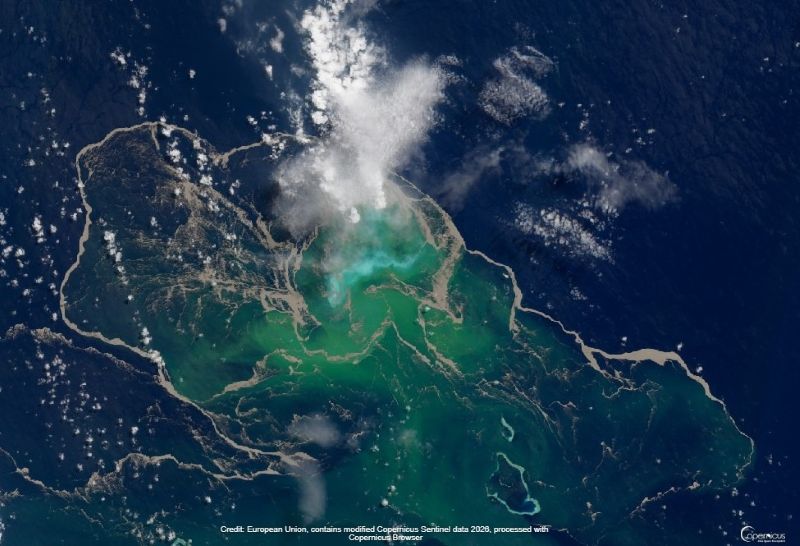
An underwater volcano has been erupting in the Bismarck Sea off the northern coast of Papua New Guinea since May 8, sending dramatic white steam plumes up to 3,000 meters into the atmosphere and creating expansive rafts of floating pumice drifting across the surrounding Pacific waters. Scientists are closely monitoring the event, which could potentially result in the birth of a new volcanic island. The eruption began when seismometers first detected a swarm of small earthquakes beneath the Titan Ridge, a volcanic feature in the southwestern Pacific. Within days, NASA's Aqua and Terra satellites captured striking imagery of the volcanic plumes and tan-colored pumice rafts. Scientists from multiple international institutions noted that the current eruption site is approximately 16 kilometers from a 1972 underwater eruption in the same region, suggesting the Titan Ridge is a zone of sustained geological activity. Papua New Guinea sits on the Pacific Ring of Fire, one of the most seismically and volcanically active regions on Earth. Scientists say they are unable to predict how long the current eruption will last or whether it will ultimately produce a permanent new landmass. The event has drawn significant international attention and is being monitored around the clock by regional geological agencies, with drone flyovers and ship-based observations planned to gather more detailed data.